
Consular Processing Immigration Attorneys in Orlando
What Is Consular Processing?
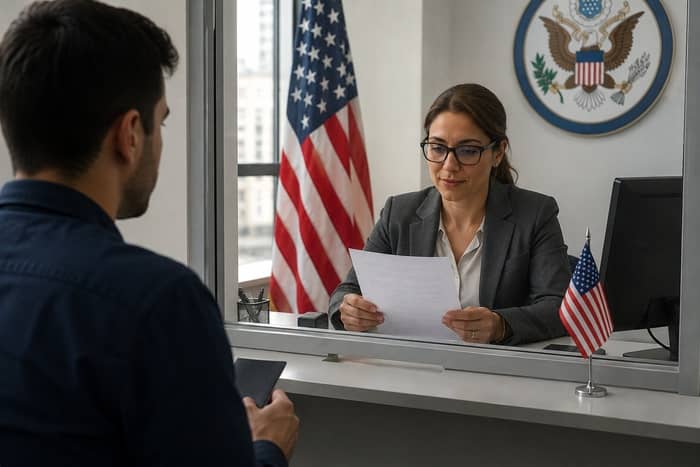
Consular processing is the procedure through which a person applies for an immigrant visa from outside the United States, through a U.S. Embassy or Consulate abroad. Unlike adjustment of status, which allows eligible applicants already in the U.S. to apply for a green card from within the country, consular processing takes place entirely outside U.S. borders.
The process involves multiple stages and the coordination of several government agencies, including U.S. Citizenship and Immigration Services (USCIS), the National Visa Center (NVC), and the U.S. Consulate where the interview will be held.
Who Needs Consular Processing?
Consular processing is the appropriate path when the applicant is outside the United States or when adjustment of status is not available. It is commonly used in:
- Family-based petitions (spouses, parents, and children of U.S. citizens or permanent residents)
- Employment-based immigrant visa cases
- Situations involving prior immigration violations that prevent adjustment of status inside the U.S.
For example, a Colombian national married to a U.S. citizen who has never entered the United States would pursue their immigrant visa entirely through the consulate in Bogota, from the NVC stage through the final interview.
How Does Consular Processing Work?
The process begins with the approval of an immigrant petition and concludes with a consular interview at the nearest U.S. Embassy or Consulate. In general terms, it includes the following stages:
- Filing and approval of the immigrant petition (Form I-130 for family-based, or Form I-140 for employment-based cases)
- Transfer of the approved petition to the National Visa Center (NVC)
- Payment of fees and activation of the case at the NVC
- Submission of Form DS-260 (Immigrant Visa Application) and supporting civil documents
- Financial sponsorship review to establish the petitioner's ability to support the applicant
- Scheduling of the medical examination with an approved panel physician
- Consular interview with a U.S. immigration officer
The final decision on the visa is made at the consulate. This makes thorough preparation at every prior stage essential to the outcome of the case.
Important Considerations
Unlike other immigration procedures, consular processing carries unique risks that make legal guidance especially important:
- It takes place outside the U.S. The applicant must leave, or remain outside, the country during the process.
- There is no immediate remedy after a denial. If a visa is refused, correcting the issue and reapplying can take months or years.
- Prior immigration violations can trigger bars to admissibility. Applicants with periods of unlawful presence or prior removals may face additional hurdles, including the need to file for a waiver before an immigrant visa can be issued. A person who accrued more than one year of unlawful presence in the U.S. and then departed, for instance, is subject to a ten-year bar and cannot proceed without an approved I-601A waiver.
How We Can Help
Consular processing leaves little room for error. A missed document, an inconsistency in the record, or an undisclosed immigration violation can result in delays measured in months or in a denial with no immediate path forward. Our approach is built around preventing those outcomes before they happen, not reacting to them after.
Our team, led by Frank Symphorien-Saavedra, a Board Certified expert in Immigration and Nationality Law by the Florida Bar, does not treat consular processing as a mere paperwork exercise. We treat it as a case to be built, with a strategy, anticipating risk, and with the goal of walking into that consular interview with nothing left to chance.
Case Evaluation
Before filing anything, we analyze the full picture: eligibility, immigration history, potential inadmissibility grounds, and whether consular processing is truly the right path or whether alternatives exist. Most problems in consular cases are predictable and preventable if identified early.
NVC Case Management
We manage the National Visa Center stage end-to-end, from fee payment and case activation to the preparation of Form DS-260 and all supporting civil documents, including certified translations.
The NVC is where most avoidable delays occur. In our experience, issues like incorrect document classification, improperly scanned civil documents, or inconsistencies between translated records and originals are among the most common reasons cases are delayed or rejected at this stage. We address these before submission.
Inadmissibility and Waivers
When prior violations or admissibility barriers are part of the picture, we assess waiver eligibility and build the full evidentiary case, including I-601 and I-601A applications and extreme hardship documentation. These filings require precision; we approach them accordingly.
Consular Interview Preparation
We prepare clients for the interview as if the outcome depends on it, because it does. That means mock interviews, consistency reviews across the entire record, and a final document check before the appointment.
Post-Interview Support
If the case receives a 221(g) hold or a request for additional evidence, we stay in. We coordinate every step through to visa issuance and U.S. entry.
Contact Our Consular Processing Attorneys Today
If you or a family member needs to navigate the consular processing path, the experienced team at Symphorien-Saavedra Law is ready to help. Contact us at 407-802-1717 or fill out our online form, and we will be in touch shortly.
Contact us

Symphorien-Saavedra Law, P.A. is a diverse team of immigrants who are dedicated to helping immigrants, small businesses, and investors.